
For decades, the traditional gym environment was primarily designed around heavy bodybuilding culture or passive cardiovascular zones. Women entering commercial fitness facilities were often steered toward rows of treadmills and ellipticals, while resistance training areas remained dominated by heavy machinery and intimidating atmospheres. Today, a major shift is redefining the fitness landscape: the rise of specialized women’s fitness gyms. These modern spaces go beyond basic privacy or pink-colored equipment; they represent a scientifically backed approach to female biomechanics, metabolic health, hormonal fluctuations, and community-driven empowerment.
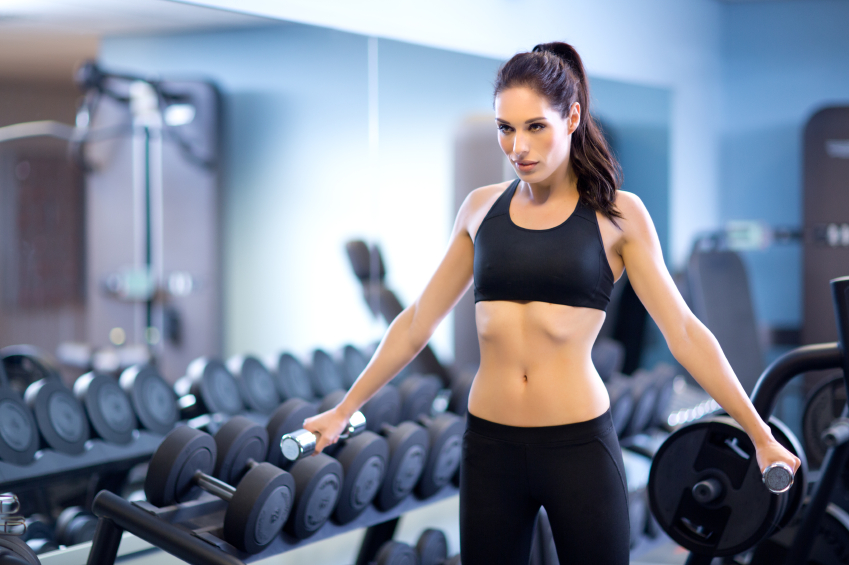
By rethinking facility design, training philosophies, and supportive environments, women’s fitness gyms offer an essential platform where women can build functional strength, optimize long-term health, and foster sustainable movement habits across every stage of life.
Moving Beyond Cardio: The Paradigm Shift to Resistance Training
Historically, mainstream fitness marketing promoted the idea that women should focus almost exclusively on high-repetition cardio to burn calories without building muscle. Modern exercise physiology has thoroughly dismantled this myth, placing heavy resistance training at the center of women’s health.
Women’s fitness gyms lead this movement by designing floor layouts that emphasize functional free weights, squat racks, kettlebells, and cable machines over passive cardio equipment. Resistance training offers unique physiological benefits for the female body:
- Bone Mineral Density Preservation: Women experience a natural decline in bone mass as they age, accelerating significantly during perimenopause and post-menopause. Heavy, compound lifting stresses bone tissue safely, stimulating osteoblasts to lay down new bone tissue and preventing osteoporosis.
- Metabolic Efficiency and Glucose Regulation: Lean muscle mass is a key regulator of resting metabolic rate and glucose management. By building functional strength, women improve insulin sensitivity, supporting long-term metabolic health and hormonal stability.
- Joint Stability and Structural Balance: Women naturally exhibit a wider pelvic structure, which creates a larger Q-angle at the knee joint, increasing the risk of ligament injuries like ACL tears. Dedicated strength training strengthens the hamstrings, glutes, and stabilizing muscles around the hips and knees, protecting joints from chronic injury.
Biomechanical and Hormonal Alignment in Workout Design
A major advantage of a dedicated women’s fitness gym is its ability to tailor programming to female physiology. A woman’s muscular endurance, recovery capacity, and joint laxity fluctuate throughout her life and even throughout her monthly cycle.
Unlike generic training templates, specialized female-focused fitness centers structure routines around key physiological factors:
- Hormonal Cycle Synchronization: Estrogen plays a vital role in muscle recovery, energy production, and ligament flexibility. During the follicular phase, higher estrogen levels often allow for greater strength gains and high-intensity outputs, whereas the luteal phase may require higher repetition work, lower intensity, or enhanced recovery strategies.
- Pelvic Floor and Core Health: Standard fitness programs often neglect core mechanics relevant to women, particularly post-pregnancy. Dedicated women’s facilities incorporate targeted breathing mechanics, intra-abdominal pressure management, and pelvic floor integration into foundational lifts like squats and deadlifts to restore core function safely.
- Recovery Optimization: Due to biological differences in how women store and utilize muscle glycogen, female lifters often recover faster between sets than men but require deliberate strategies to support central nervous system recovery. Specialized gyms balance high-intensity strength work with strategic rest intervals and active mobility routines.
Overcoming Gym Intimidation and Building Inclusive Community Culture
Beyond physical equipment and workout structure, the psychological environment of a gym plays a critical role in long-term exercise adherence. Gym intimidation—feeling self-conscious, unwelcome, or uncertain about how to perform exercises correctly—serves as a primary barrier preventing many women from adopting a regular lifting routine.
Women’s fitness gyms actively eliminate these psychological barriers by creating supportive, community-centered environments:
- Empowering Coaching Dynamics: Trainers in women’s facilities focus on movement mastery, mechanical precision, and progressive strength gains rather than shame-based messaging or superficial aesthetic pressure.
- Shared Accountability and Camaraderie: Group training models and open lifting floors tailored for women foster a sense of shared purpose. Exercising alongside peers pursuing similar health goals builds confidence and transforms workouts from an isolating task into an inspiring community event.
- Educational Focus: These facilities prioritize member education, teaching proper form, barbell mechanics, and weight selection. This knowledge empowers women to take ownership of their physical fitness, building independence both inside and outside the gym.
Key Features to Look for in a Modern Women’s Fitness Facility
If you are considering joining a women-focused fitness gym, evaluating specific features ensures the facility aligns with long-term health goals rather than passing trends:
- Comprehensive Resistance Equipment: Ensure the gym offers a robust selection of power racks, Olympic barbells, kettlebells, resistance bands, and functional cable stations, rather than relying solely on light dumbbells or basic cardio machines.
- Qualified Coaching Staff: Look for certified trainers with specialized knowledge in female biomechanics, prenatal and postnatal fitness, and strength conditioning.
- Balanced Class Offerings: A quality facility balances strength training sessions with mobility, restorative movement, and cardiovascular conditioning to prevent overtraining.
- Inclusive and Clean Infrastructure: Clean, well-lit spaces equipped with proper flooring, spacious locker rooms, and well-maintained equipment create a professional, welcoming atmosphere.
Conclusion
The modern women’s fitness gym represents far more than an alternative training location; it is a fundamental evolution in how female health, strength, and longevity are approached. By moving away from restrictive cardio-only paradigms and embracing biomechanically sound resistance training, these specialized facilities empower women to build strong, resilient bodies. Prioritizing physiological education, psychological safety, and supportive community structures allows women’s fitness gyms to help members cultivate lasting vitality, physical confidence, and lifelong health.